



Early Beginnings
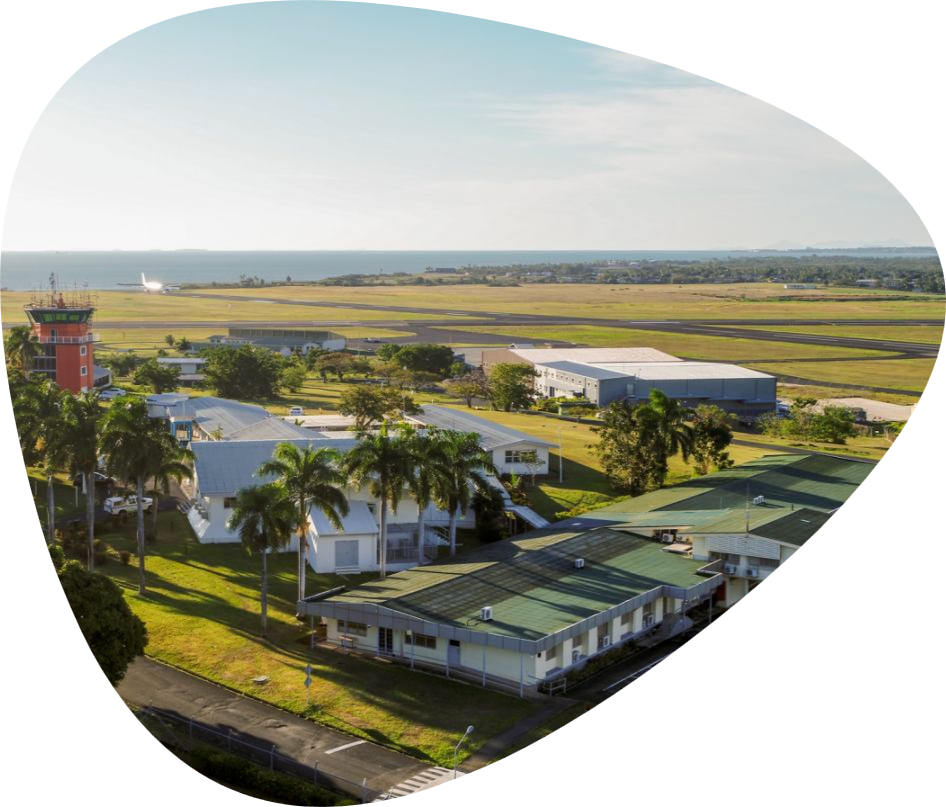
Nadi International Airport, the main international gateway to Fiji, has a rich history dating back to the early 1940s. The original airstrips at Nadi were constructed by New Zealand from August 1939 and completed in March 1940. These airstrips were extended during World War II to support the South Pacific air ferry route.
World War II Era
During the Pacific War, Nadi Airport was used by the United States Army Air Forces and the U.S. Navy. It served as a crucial base for operations against Japanese targets in the Philippines and Solomon Islands. The airport’s strategic location on the drier west coast of Viti Levu made it an ideal site for military operations.
Post-War Development
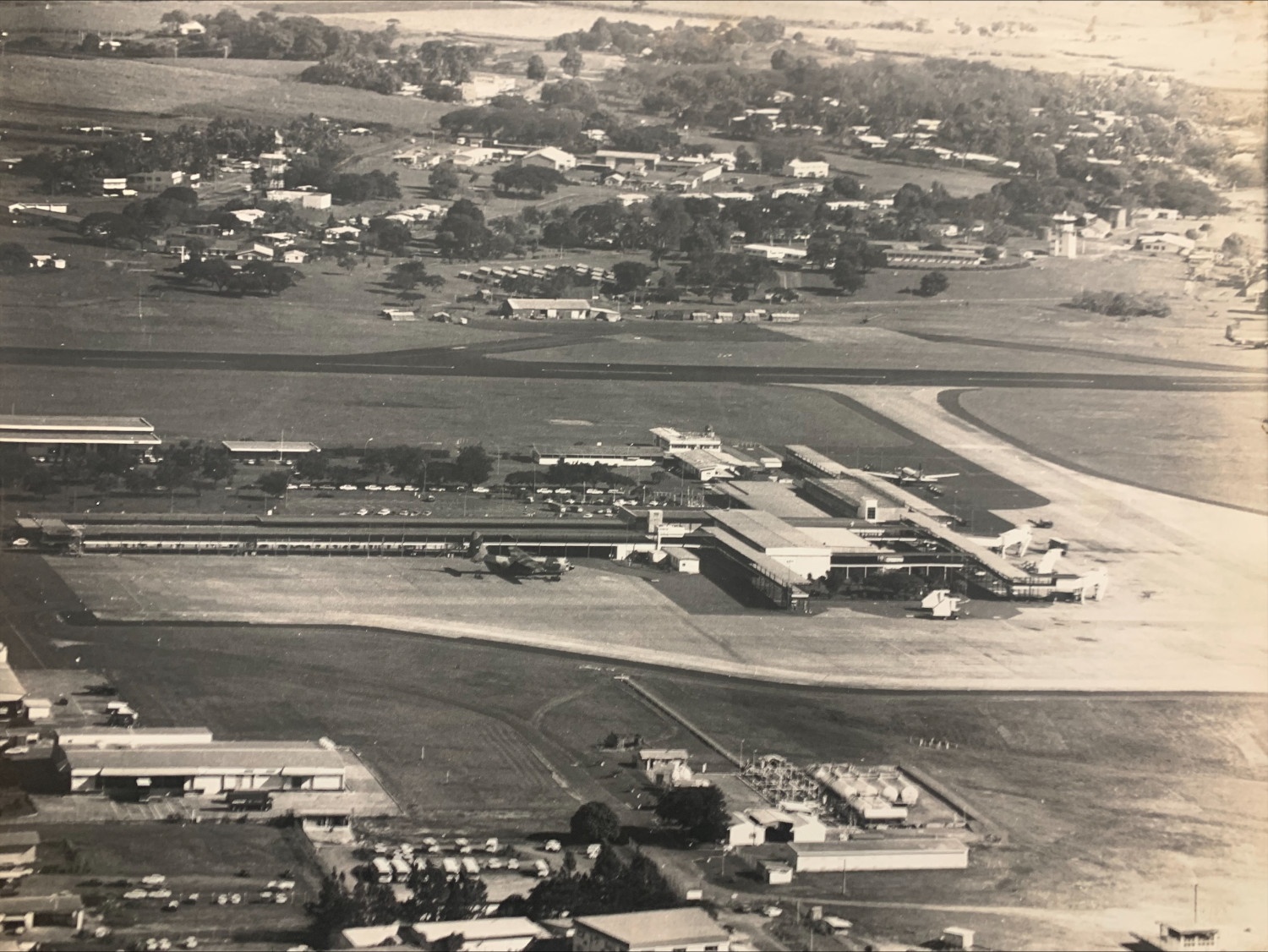
After the war, Nadi Airport continued to grow, becoming the main international airport for Fiji. In the 1940s and ’50s, it was officially known as the Colony of Fiji: Nadi Airport. The airport’s development was driven by its favorable weather conditions and relatively flat terrain, which made it suitable for aviation.
Independence and Modernization
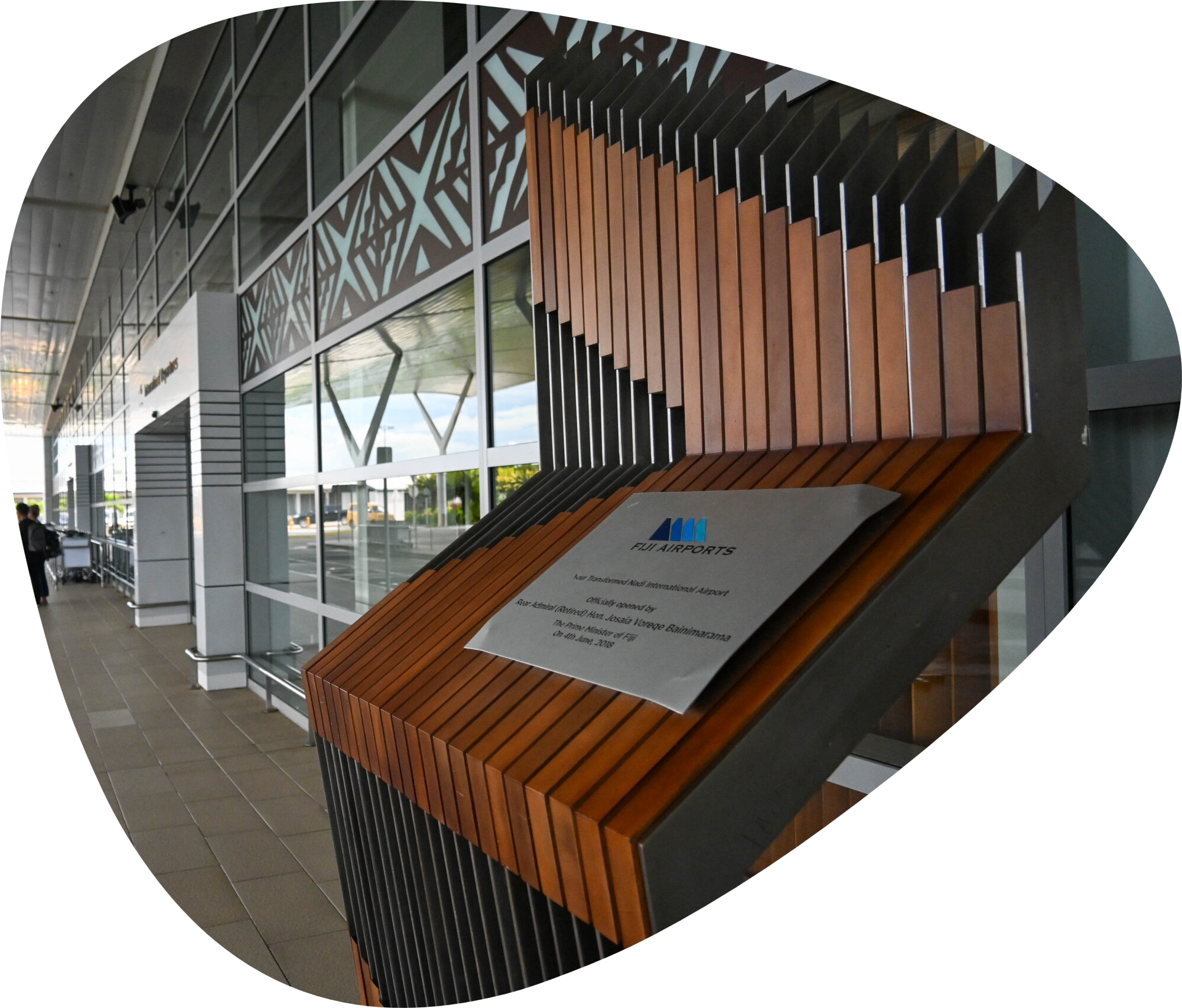
Upon gaining independence in 1970, the Fijian Government began participating in the organization of Nadi Airport. Full control was handed over to the government in 1979. Since then, the airport has undergone significant modernization to meet international standards and accommodate increasing passenger traffic.
Today
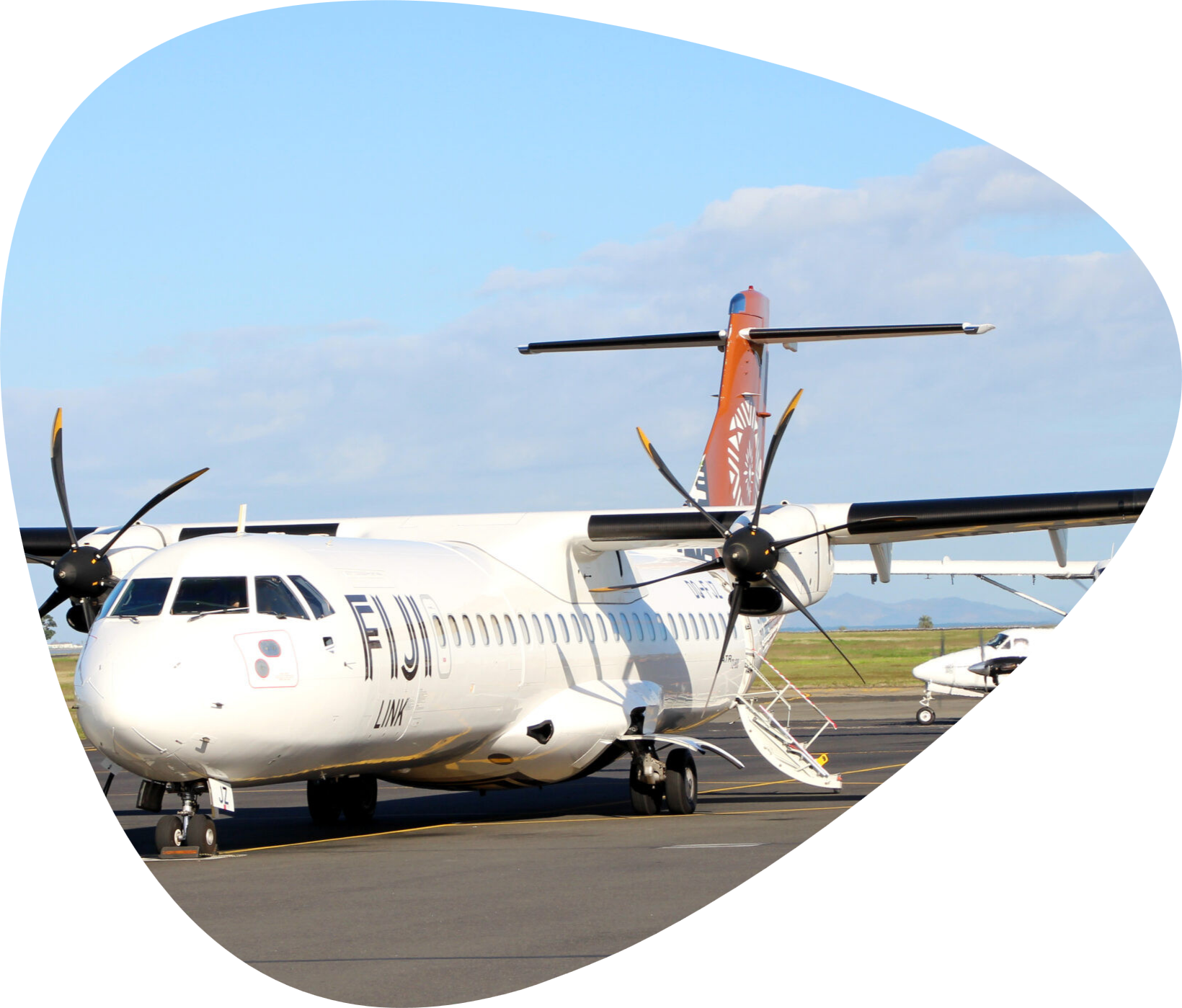
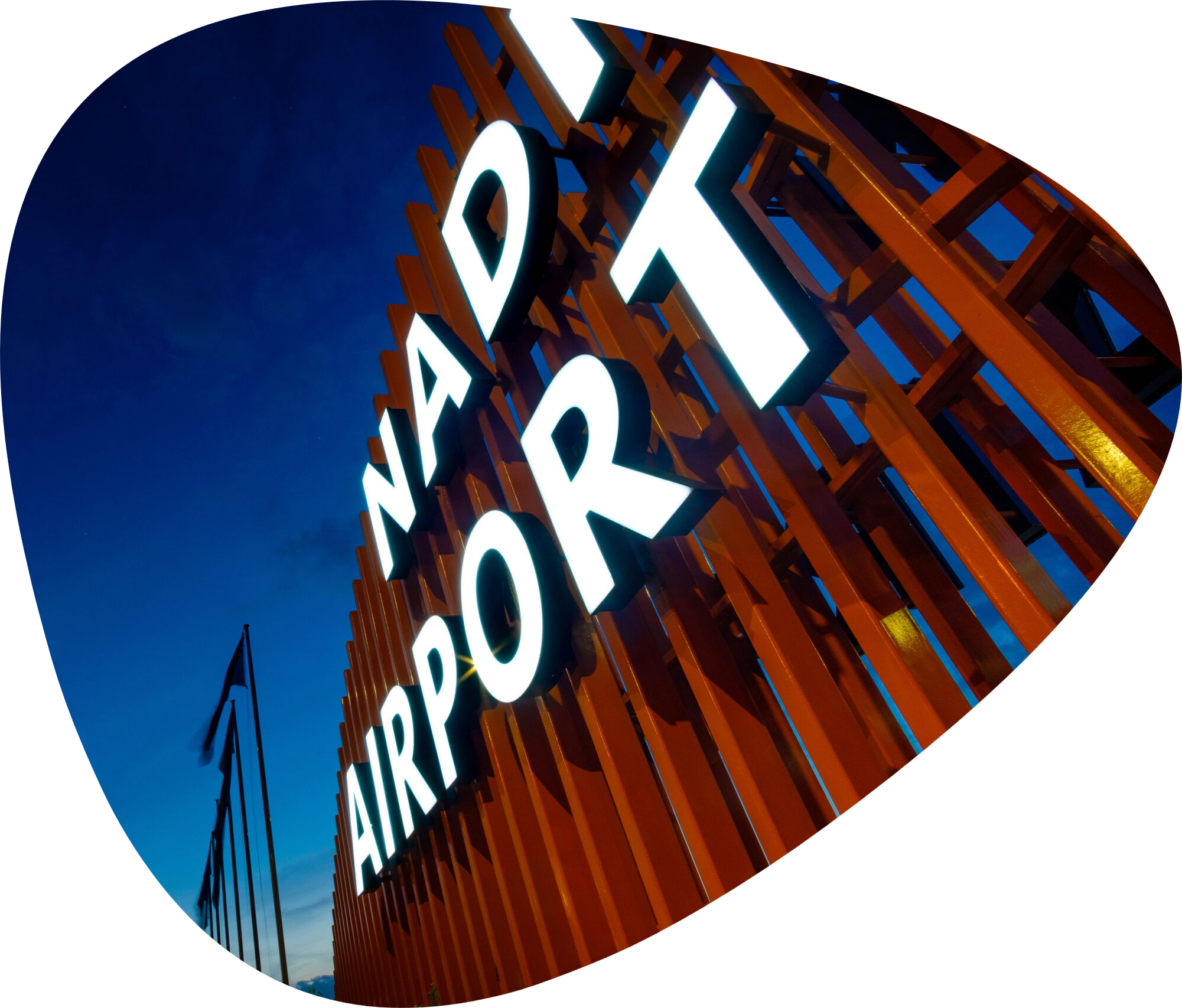
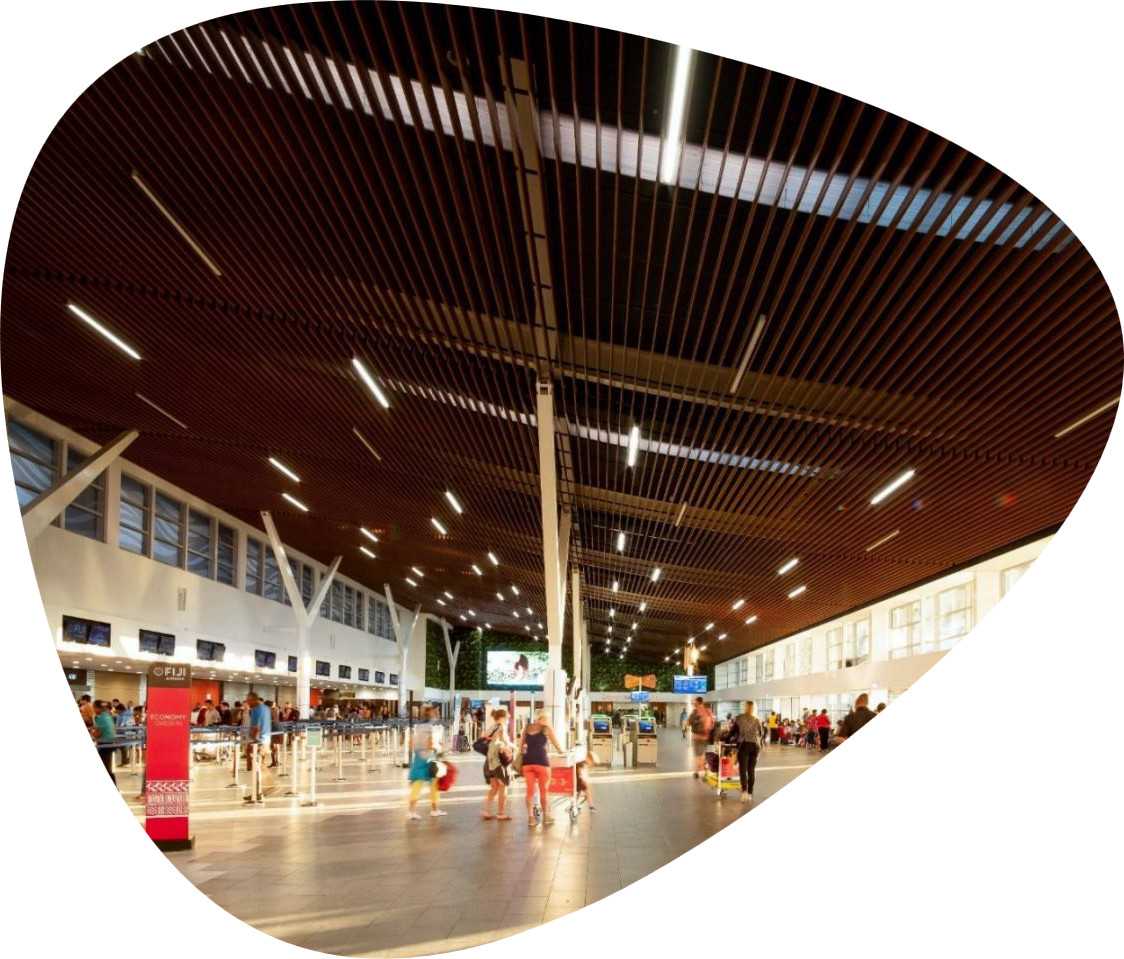
Today, Nadi International Airport is a major regional hub for the South Pacific islands, handling millions of passengers annually. It serves as the main hub for Fiji Airways and its domestic and regional subsidiary, Fiji Link. The airport continues to play a vital role in connecting Fiji to the world and supporting the country’s tourism industry.